By Frank Root March 26, 2026
Payment expectations have changed dramatically. Today’s customers demand fast, convenient, and secure transactions, and they rarely tolerate long checkout lines or slow payment systems. When customers experience delays during checkout, it can negatively affect their perception of a business and may even determine if they return. As a result, improving payment speed is now just as crucial as enhancing product quality or customer service.
Unattended payments and self-service kiosks enable customers to complete transactions independently, easing checkout congestion while upholding strong payment security. With modern payment technology, businesses can achieve both faster transactions and safe payment processing.
As payment technology continues to improve, businesses that adopt automated payment solutions are finding it easier to improve efficiency, reduce operational pressure, and create better customer experiences. Understanding how these systems work and why they are becoming essential can help businesses make smarter decisions about modernizing their payment processes.
Table of Contents
Understanding Unattended Payments and Self-Service Payment Kiosks

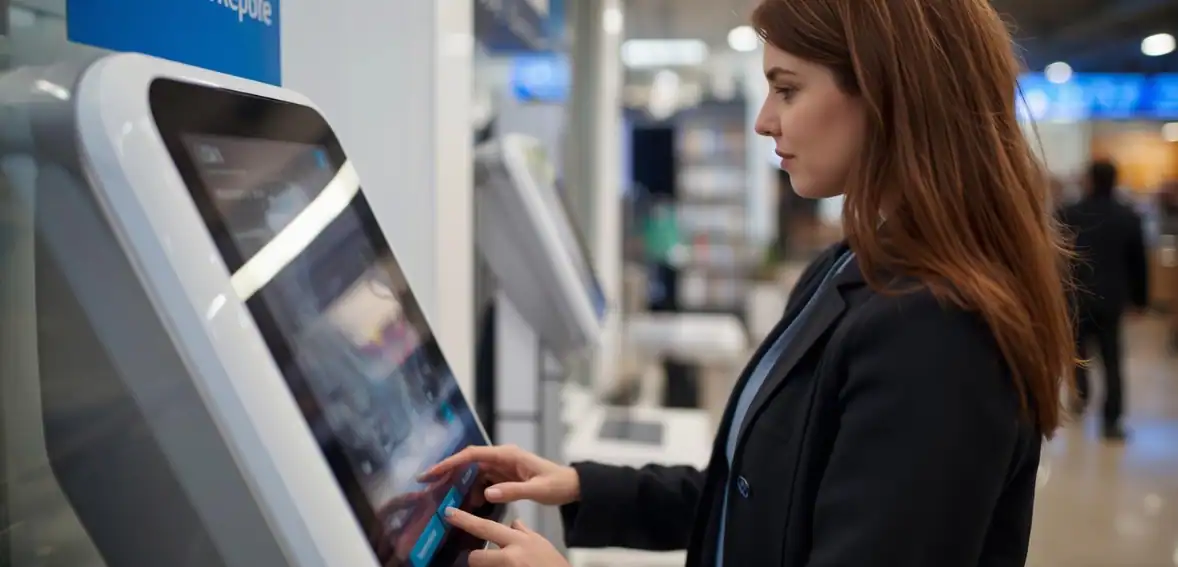
Unattended payments refer to transactions that customers complete without direct assistance from employees. Instead of relying on traditional cashier interactions, customers use automated machines that guide them through the checkout process. These systems are designed to be simple, intuitive, and fast so customers can complete purchases without confusion or delays. The goal is to create a smooth and predictable transaction experience that reduces friction while maintaining strong payment controls.
Self-service payment kiosks are the devices that make unattended payments possible. These machines combine payment processing technology, user interface software, and security systems into one platform. They allow customers to scan products, place orders, verify information, and complete payments without waiting for assistance. Businesses benefit because these kiosks help manage customer flow more efficiently while reducing pressure on staff during busy hours.
These solutions are becoming common because they solve real operational problems. Businesses can process more transactions without increasing staff, and customers benefit from shorter wait times and greater control over their purchasing experience. As a result, unattended payment technology is quickly becoming a standard part of modern commerce.
Common Types of Unattended Payment Systems
Some of the most common unattended payment environments businesses use today include:
- Self-checkout payment systems in retail stores
- Self-ordering kiosks in restaurants
- Parking payment terminals
- Hotel self-check-in stations
- Airport ticket machines
- Transit fare machines
- Healthcare check-in kiosks
- EV charging payment stations
Each of these systems focuses on reducing transaction delays while maintaining a consistent and secure payment experience.
Why Long Wait Times Negatively Impact Business Performance
Long wait times affect more than just customer convenience. They can directly impact revenue, operational efficiency, and brand reputation. When customers must wait too long to complete a purchase, they sometimes abandon transactions entirely. This is especially common in retail and food service environments where speed is an important part of the customer experience.
Slow checkout processes also create unnecessary stress for employees. Staff members must manage growing lines while trying to maintain service quality. This often reduces productivity and increases the likelihood of mistakes. Over time, these inefficiencies can reduce overall business performance.
Reducing wait times helps businesses improve customer satisfaction while also protecting revenue. Faster checkout allows more transactions to be completed and helps create a positive customer perception. Businesses that focus on improving payment efficiency often see improvements in both customer loyalty and operational stability.
How Self-Service Payment Kiosks Reduce Checkout Congestion
Self-service payment kiosks reduce congestion by allowing multiple customers to complete transactions at the same time. Traditional checkout models depend on employee availability, which limits how many transactions can be processed simultaneously. Automated kiosks remove this limitation by creating additional transaction points without requiring additional staff.
These systems also improve consistency because they follow the same workflow for every transaction. Unlike manual checkout processes, kiosks do not slow down due to distractions or inconsistent procedures. This predictability helps maintain steady transaction flow even during peak periods.
Businesses also gain flexibility by using kiosks. During slower periods, fewer employees are needed for checkout support. During busy hours, kiosks can handle overflow demand and prevent long lines from forming. This flexibility makes payment kiosks a valuable operational tool.
How Payment Automation Improves Employee Productivity
Unattended payments also improve workforce efficiency by allowing employees to focus on more valuable tasks. Instead of spending time processing repetitive transactions, employees can assist customers, manage inventory, or focus on service quality improvements. This improves both productivity and job satisfaction because employees spend less time on routine work.
Automation does not eliminate the need for employees. Instead, it allows businesses to use their workforce more effectively. Employees become problem solvers and customer support resources rather than simply transaction processors. This often leads to better customer interactions and improved service quality.
Businesses that successfully balance automation with human support often create stronger customer experiences. Technology handles speed and consistency while employees provide personalized assistance when needed.
How Self-Service Payments Improve Customer Satisfaction
Many customers prefer self-service because it gives them more control over their transactions. Instead of feeling rushed during checkout, customers can review purchases carefully and complete payments at their own pace. This often leads to fewer mistakes and a more comfortable experience.
Self-service also improves privacy. Some customers prefer minimal interaction when making purchases, especially for routine transactions. Kiosks allow them to complete payments quickly without unnecessary interaction.
Another important benefit is transparency. Kiosks clearly show pricing, order details, and payment steps. This reduces confusion and increases confidence in the transaction process. These small improvements often lead to higher customer satisfaction.
The Role of Contactless Payment Kiosks in Faster Transactions
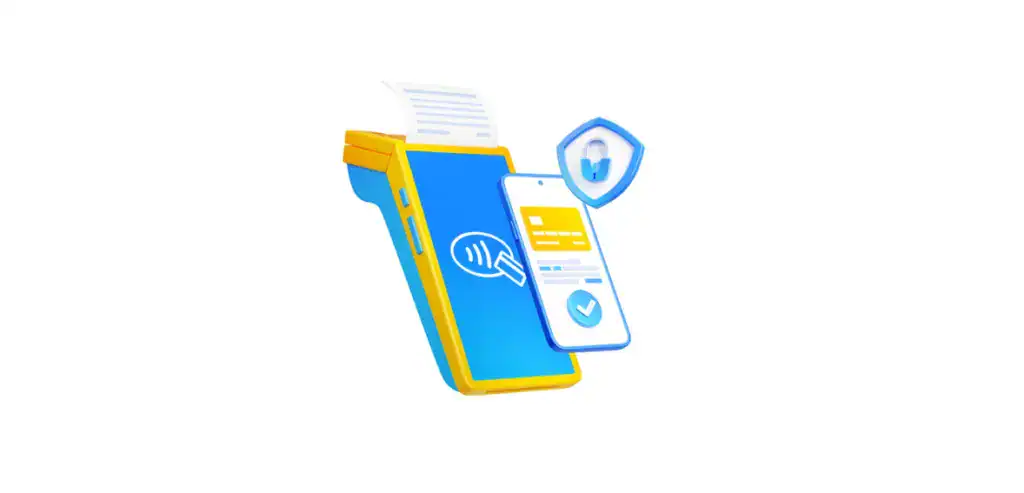
Contactless payments have become an important part of payment speed improvements. Tap to pay technology allows customers to complete transactions in seconds without inserting cards or handling cash. This significantly reduces processing time and improves checkout efficiency.
Contactless payment kiosks also support modern payment preferences such as mobile wallets and digital payment apps. Supporting these methods ensures businesses can meet evolving customer expectations. Faster payment options also reduce physical contact, which many customers now prefer.
As contactless technology continues expanding, businesses that support these payment options are better positioned to deliver modern customer experiences. Payment speed and flexibility are becoming competitive advantages.
Addressing Security Concerns Around Automated Payment Solutions
Security is often a major concern when businesses consider unattended payments. However, modern automated payment solutions are designed with strong protection systems that often exceed traditional checkout security. These systems rely on multiple security technologies working together to protect transactions.
Automation can actually reduce certain risks because it removes manual handling errors. Digital systems follow strict protocols that reduce inconsistencies. Security monitoring tools also provide real-time alerts when suspicious activity occurs.
Businesses that invest in secure payment kiosks often find that they improve both efficiency and protection. Payment modernization does not require sacrificing safety when proper systems are used.
Core Technologies That Protect Secure Payment Kiosks
Modern payment kiosks use several technologies to maintain strong protection standards. These systems focus on preventing fraud, protecting payment data, and ensuring secure communication between devices and payment processors.
Security Technologies Used in Payment Automation Systems
Common protection technologies include:
- EMV chip authentication
- End-to-end encryption
- Tokenization systems
- PCI-compliant platforms
- Fraud monitoring tools
- Tamper detection alerts
These protections work together to create a secure payment environment.
Industries Benefiting Most From Self-Service POS Technology
Certain industries benefit especially quickly from unattended payments because they handle large transaction volumes. Retail, hospitality, healthcare, and transportation businesses often see immediate improvements after implementing kiosks.
Retail businesses benefit from faster checkout flow. Restaurants benefit from improved order accuracy. Healthcare providers benefit from faster patient processing. Transportation companies benefit from faster ticketing and boarding processes.
While large organizations often adopt kiosks first, smaller businesses are also beginning to see value in these solutions. Any business seeking to reduce transaction friction can benefit from payment automation systems.
Planning Considerations Before Installing Payment Kiosks
Before implementing self-service POS technology, businesses should evaluate operational needs carefully. Planning helps ensure the right systems are selected and placed correctly. Understanding customer traffic patterns is especially important because placement affects adoption.
Integration is another important consideration. Payment kiosks should work smoothly with existing POS systems and reporting tools. Businesses should also ensure they have access to technical support and software updates.
Proper planning ensures kiosks deliver maximum operational value. Businesses that plan deployments carefully typically see faster adoption and stronger returns.
Maintaining Payment Automation Systems for Long-Term Reliability
Like all technology, unattended payment systems require maintenance to ensure reliable performance. Regular updates help maintain security protections, while hardware inspections help prevent technical issues.
Many modern systems allow remote monitoring, which simplifies maintenance. Businesses can track transactions, monitor performance, and install updates without needing on-site service visits. This reduces maintenance costs while improving system reliability.
Preventive maintenance is important because reliable payment systems directly affect customer experience. Businesses that maintain their systems properly often experience fewer disruptions and better long-term performance.
The Future of Unattended Payments and Payment Automation Systems
Payment technology continues to advance rapidly. Innovations such as biometric authentication, artificial intelligence fraud detection, and personalized kiosk interfaces are shaping the future of automated payments.
Businesses that adopt these technologies early often gain operational advantages. Payment efficiency will continue to play an important role in customer satisfaction. As expectations continue rising, modern payment infrastructure will become even more important.
Organizations that invest in secure and efficient payment systems today are better positioned to adapt to future changes. Payment modernization is becoming a long-term business strategy rather than a short-term upgrade.
Conclusion
Unattended payments and self-service payment kiosks are helping businesses reduce wait times while maintaining strong transaction protection. These systems allow businesses to process transactions faster, improve operational efficiency, and deliver better customer experiences without increasing risk.
As customer expectations continue evolving, payment speed and convenience are becoming essential competitive factors. Businesses that adopt automated payment solutions often see improvements in customer satisfaction, transaction completion rates, and operational flexibility.
Investing in modern payment technology is no longer just about convenience. It is about building a business that can operate efficiently, securely, and competitively in an increasingly digital marketplace.
FAQs
What are unattended payments?
Unattended payments are transactions completed through automated machines without employee assistance. These systems help businesses process payments faster while improving efficiency.
Are self-service payment kiosks secure?
Yes, modern kiosks use encryption, EMV chips, and PCI-compliant systems to protect transactions. These security layers help prevent fraud and protect customer data.
Do self-service kiosks really reduce wait times?
Yes, kiosks allow multiple customers to pay at the same time, which reduces lines. Faster checkout improves customer satisfaction and transaction completion rates.
Are payment kiosks difficult to maintain?
Most modern kiosks include remote monitoring and software updates for easy maintenance. Regular updates and inspections help ensure long-term reliability.
Which businesses benefit most from unattended payments?
Retail, restaurants, healthcare, and transportation businesses benefit the most. Any business with high transaction volume can improve efficiency using kiosks.